
The historical journey of gambling From ancient rituals to modern practices
Origins of Gambling in Ancient Civilizations
The practice of gambling has roots deep in human history, tracing back to ancient civilizations. Archaeological findings suggest that gambling activities were prevalent in cultures such as the Chinese, Egyptians, and Greeks. In China, around 2300 BC, the earliest known form of gambling involved the use of rudimentary dice, while the Egyptians participated in games of chance, often linked with their religious rituals. These ancient practices established the groundwork for various forms of gambling that evolved over centuries, much like how the ice fishing game casino reflects the excitement of modern adaptations.
The Greeks introduced sophisticated betting methods, particularly in sports, which underscored the link between gambling and competition. Events like the Olympic Games saw participants and spectators wagering on athletic performances, highlighting the social aspects of gambling that remain evident today.
Gambling in the Middle Ages
The Middle Ages marked a significant transformation in gambling practices. As societies began to establish more structured governance, gambling came under scrutiny. In many regions, authorities sought to control or ban gambling activities, fearing the social and moral implications. Despite this, gambling thrived in clandestine settings, particularly in taverns and private gatherings. Playing cards, introduced in Europe during the late 14th century, became a popular medium for gambling, leading to the development of various card games.
This period also saw the emergence of lotteries as a form of gambling sanctioned by governments. These lotteries were often used to fund public projects, reflecting the dual nature of gambling as both entertainment and a source of revenue. The complex relationship between governance and gambling began to take shape during this time, revealing the tensions that continue to exist.
The Rise of Casinos in the 17th Century
The 17th century heralded a new era in the world of gambling with the establishment of the first official casinos. The Casino di Venezia in Italy, founded in 1638, became a prominent destination for those seeking to engage in games of chance in a controlled environment. This innovation led to the proliferation of similar establishments across Europe, where people could enjoy a regulated gambling experience.
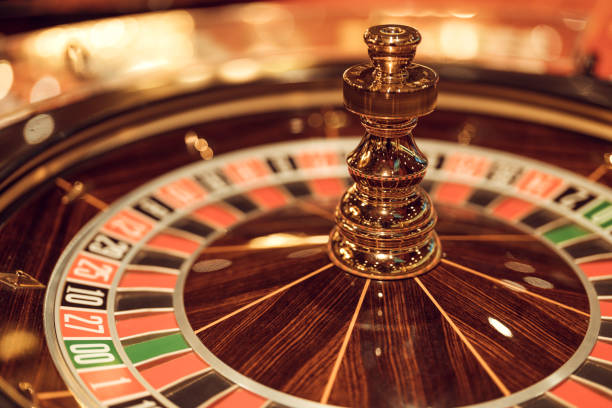
During this time, the games played in casinos evolved, giving rise to roulette, baccarat, and other iconic games still enjoyed today. The allure of luxurious surroundings combined with the thrill of betting attracted a diverse clientele, paving the way for modern gambling culture. This era laid the foundation for the glitzy casinos that would later emerge in cities like Las Vegas and Monte Carlo.
The 20th Century: Legalization and Expansion
The 20th century witnessed a dramatic shift in the perception and regulation of gambling. Following the economic challenges of the Great Depression, many governments began to view legalized gambling as a means to boost economic recovery. By mid-century, numerous jurisdictions had legalized various forms of gambling, from horse racing to state lotteries, reflecting changing attitudes towards this age-old pastime.
This era also saw the advent of online gambling at the turn of the millennium, further revolutionizing the industry. The ability to gamble from the comfort of home opened doors to millions of new players worldwide. Online platforms began to mimic the excitement of traditional casinos, leading to a surge in participation and the establishment of a global gambling market.

Modern Gambling Practices and Innovations
Today, gambling is more accessible than ever, thanks to technological advancements and changing social norms. The rise of mobile gaming apps and virtual casinos has transformed how players engage with their favorite games. Real-time gaming experiences and live dealer games simulate the atmosphere of a physical casino, attracting a new generation of gamblers eager for immersive experiences.
As the industry continues to evolve, discussions surrounding responsible gambling practices are more important than ever. Governments and organizations are working to promote safe gambling environments and support those who may develop problematic gambling behaviors. This focus on ethics and sustainability is crucial for the future of gambling as it navigates the complexities of modern society.
Recent Comments…